
As industries around the world continue to innovate, gearbox technology is at the forefront of this evolution. Gearboxes play a crucial role in various applications, from automotive to industrial machinery, and their advancement is vital for enhancing efficiency and performance. This article explores the latest developments in gearbox technology, highlighting its significance in modern engineering and manufacturing.
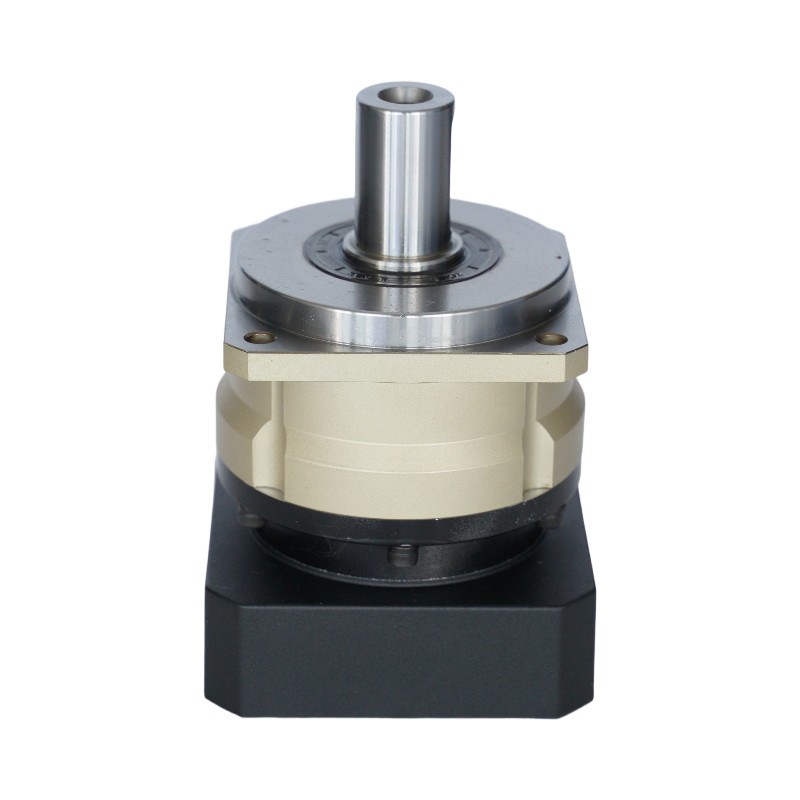
The Shift Towards Automation
In recent years, the demand for automation has surged across multiple sectors. Gearbox technology is evolving to meet this need by integrating smart features that allow for real-time monitoring and control. Advanced gearboxes now come equipped with sensors that provide data on performance and wear, enabling predictive maintenance. This not only reduces downtime but also extends the lifespan of machinery, making it a cost-effective solution for businesses.
Innovations in Design and Materials
Modern gearbox technology is also seeing significant advancements in design and materials. The introduction of lightweight yet durable materials, such as carbon fiber and advanced alloys, has led to the development of more compact and efficient gearboxes. These innovations reduce the overall weight of machinery, improving energy efficiency and performance. Additionally, design improvements such as helical gears and planetary gear systems enhance torque transmission and minimize noise, making them ideal for applications in both automotive and aerospace industries.
Enhanced Efficiency and Sustainability
As the global focus shifts towards sustainability, gearbox technology is aligning with these goals. Manufacturers are now prioritizing energy-efficient designs that reduce power loss during operation. Innovations such as variable speed drives and regenerative braking systems are becoming commonplace, allowing for greater control over energy consumption. This not only benefits the environment but also helps companies reduce operational costs, making gearbox technology a key player in the pursuit of sustainable practices.
The Role of Digitalization
Digitalization is revolutionizing gearbox technology by enabling the integration of Internet of Things (IoT) capabilities. Smart gearboxes can communicate with other connected devices, providing valuable insights into operational efficiency. This data-driven approach allows for better decision-making and resource allocation, ultimately leading to improved productivity. The ability to remotely monitor gearbox performance also enhances maintenance strategies, ensuring that potential issues are addressed before they escalate.
Future Trends in Gearbox Technology
Looking ahead, the future of gearbox technology is promising. Innovations in artificial intelligence and machine learning are set to further enhance the capabilities of gearboxes. These technologies will enable more sophisticated predictive analytics, allowing businesses to optimize their operations proactively. Furthermore, as electric and hybrid vehicles gain traction, the demand for specialized gearboxes that can handle unique torque and speed requirements will continue to grow, driving further advancements in this field.
In conclusion, gearbox technology is evolving rapidly, driven by automation, innovative materials, sustainability efforts, digitalization, and future trends. As industries adapt to these changes, the importance of advanced gearbox solutions cannot be overstated. By embracing these advancements, businesses can enhance efficiency, reduce costs, and stay competitive in an ever-changing market.