
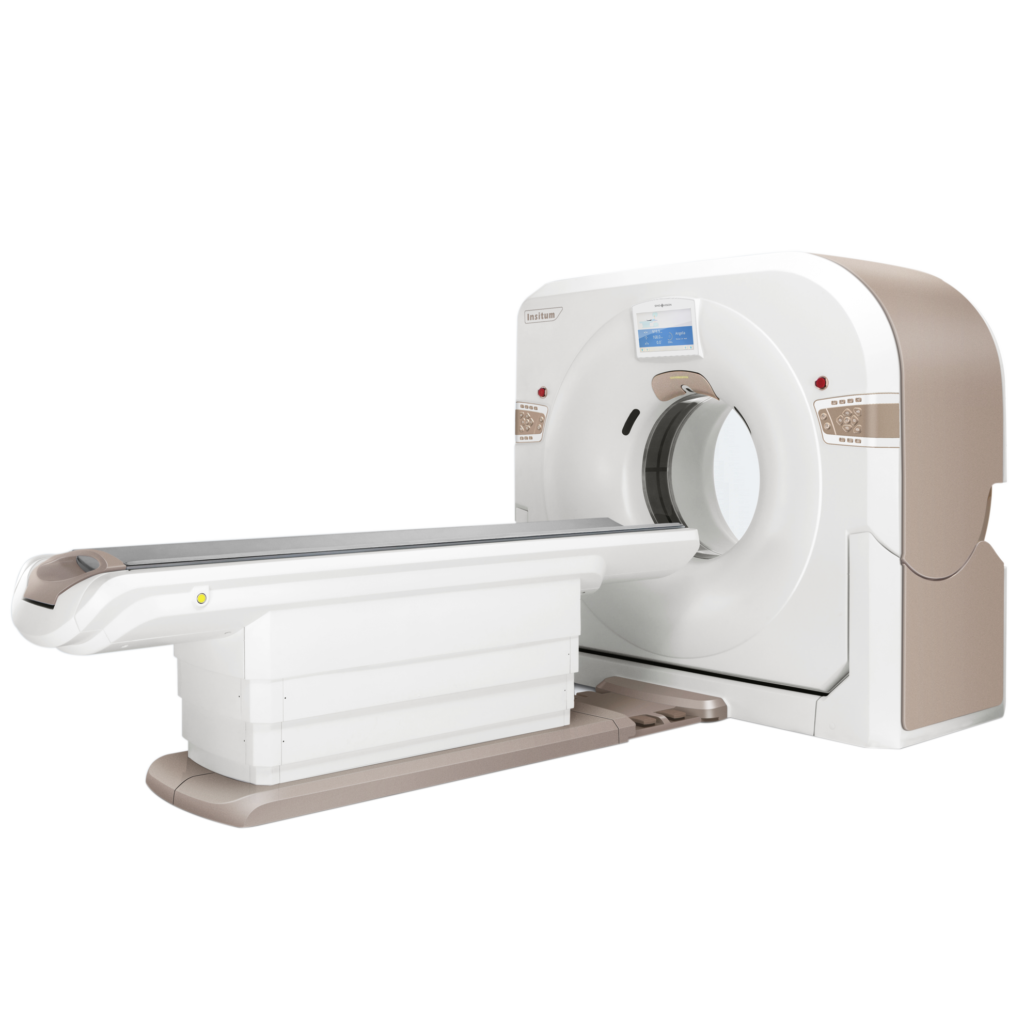
CT scanners, or computed tomography scanners, utilize X-ray technology to create detailed images of organs, bones, and tissues. One of the primary advantages of CT scanners is their ability to produce high-resolution images in a matter of seconds. This speed is crucial in emergency situations where time is of the essence. Furthermore, CT scanners can capture images from multiple angles, providing a comprehensive view of the area being examined. This multidimensional imaging is particularly beneficial for diagnosing complex conditions such as tumors, internal bleeding, and fractures.
The role of CT scanners in patient care cannot be overstated. By delivering accurate and timely diagnoses, these devices enable healthcare providers to develop effective treatment plans tailored to individual patient needs. For instance, oncologists rely on CT scanners to assess the size and location of tumors, which is vital for determining the most appropriate course of action. Additionally, the non-invasive nature of CT scans minimizes patient discomfort, making the procedure more accessible and less intimidating.
As technology continues to advance, the future of CT scanners looks promising. Innovations such as artificial intelligence and machine learning are being integrated into CT imaging systems, enhancing their capabilities even further. These advancements allow for improved image analysis and interpretation, potentially reducing the risk of human error. Moreover, the development of portable CT scanners opens new avenues for remote diagnostics, bringing high-quality imaging to underserved areas and improving healthcare access globally.
In conclusion, CT scanners are revolutionizing diagnostic imaging in healthcare by providing detailed, rapid, and non-invasive imaging solutions. Their ability to enhance patient care, facilitate early diagnosis, and adapt to technological advancements underscores their critical role in modern medicine. As the healthcare landscape continues to evolve, investing in cutting-edge CT scanners will be essential for healthcare providers committed to delivering the highest standard of care.