
Perlite and Soil Aeration Basics
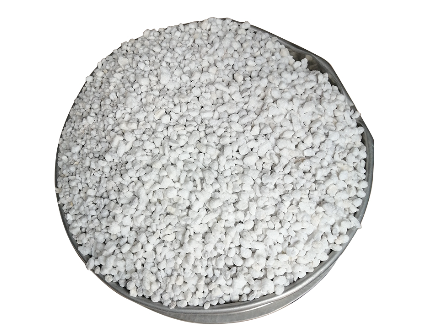
Soil aeration is the lifeline of healthy plant growth, as it ensures roots get the oxygen they need to absorb nutrients and develop properly. Compacted soil is a common issue for gardeners and horticulturists, blocking air flow and leading to root rot, stunted growth and poor nutrient uptake. This is where horticultural perlite steps in as a game-changer. Made from volcanic glass that’s heated and expanded, perlite features a unique porous, lightweight structure. These tiny air-filled cavities create channels within the soil, breaking up dense particles and allowing fresh air to circulate freely around plant roots. Unlike other soil amendments, perlite doesn’t decompose over time, meaning its aeration benefits are long-lasting and consistent, making it a reliable choice for both small-scale gardening and large commercial horticulture projects. It also pairs well with other growing media, enhancing aeration without disrupting the soil’s overall composition or nutrient balance.
How Perlite Boosts Aeration and Root Development
The porous structure of perlite is the key to its exceptional aeration performance, and this directly translates to stronger, healthier root systems. When mixed into soil, perlite’s irregular, hollow particles create air pockets that stay intact even when the soil is watered or compacted by foot traffic or planting activity. This continuous air flow ensures that root hairs can access oxygen 24/7, a critical factor for cellular respiration and nutrient absorption. For plants that are sensitive to overwatering, such as succulents, herbs and many ornamental flowers, perlite’s aeration function prevents waterlogging by speeding up drainage while still retaining just enough moisture for root health. Stronger roots mean more vigorous top growth, better resistance to pests and diseases, and higher yields for fruiting and flowering plants. Commercial horticulturists benefit from this too, as perlite’s aeration properties lead to more uniform plant growth and reduced crop loss due to soil-related issues.
Practical Application of Perlite for Optimal Soil Aeration
Using perlite to improve soil aeration is straightforward, and it adapts to a wide range of horticultural applications, from potting mixes for indoor plants to large-scale agricultural beds and landscaping projects. For general potting soil, a 20-30% mix of perlite with peat moss, coconut coir or garden soil is ideal for balancing aeration and water retention. For outdoor garden beds with heavy clay soil, mixing perlite into the top 15-20 cm of soil breaks up compaction and creates permanent air channels, improving long-term aeration and drainage. Perlite is also a staple in hydroponic and soilless growing systems, where it provides structural support and aeration for roots without adding unwanted nutrients or pathogens. It’s lightweight and easy to handle, making it a convenient amendment for both professional growers and home gardeners. Additionally, perlite is pH neutral, so it won’t alter the soil’s acidity or alkalinity, ensuring that the aeration improvement doesn’t come at the cost of soil chemistry balance.
Why Quality Perlite Matters for Soil Aeration
Not all perlite products deliver the same aeration results— the quality of the perlite directly impacts its ability to improve soil air circulation and retain its structural properties over time. High-quality horticultural perlite is processed to create a consistent porous structure, with particles that don’t break down easily under pressure or repeated watering. Inferior perlite may have dense, non-porous particles that fail to create effective air pockets, or it may crumble over time, losing its aeration benefits and compacting the soil further. Quality perlite also has a clean, sterile composition, free from contaminants, weeds or pathogens that can harm plants or disrupt the soil ecosystem. For commercial horticulture and landscaping projects, investing in premium perlite means consistent results, lower maintenance costs and better plant health across all growing areas. Reliable perlite suppliers ensure that the product is manufactured to strict standards, providing a consistent amendment that delivers on its aeration promises for every application.
Conclusion
Perlite is an indispensable horticultural amendment for improving soil aeration, with a unique structure that addresses the core issue of compacted soil and poor air flow. Its porous, lightweight particles create permanent air channels in the soil, ensuring roots receive adequate oxygen for healthy development, while also enhancing drainage and preventing waterlogging. From home gardening to large-scale commercial horticulture, perlite’s easy application, long-lasting performance and compatibility with all growing media make it a versatile choice for optimizing soil structure. Choosing high-quality horticultural perlite is essential to unlock these full benefits, as it guarantees consistent aeration, durable structural properties and a sterile, plant-safe composition. For growers and landscapers looking to boost plant health, increase yields and create sustainable growing environments, perlite is the ultimate solution for reliable, long-term soil aeration improvement— delivering tangible value for every horticultural project.