
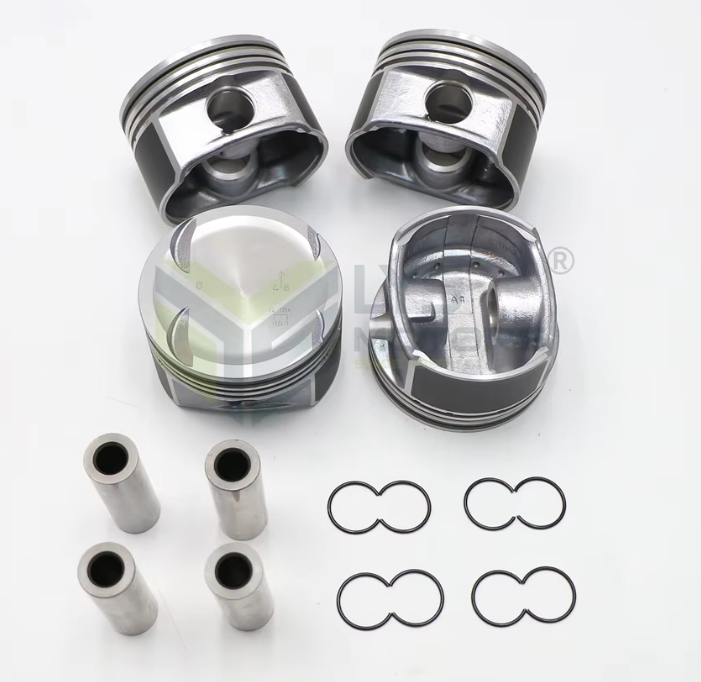
In the world of heavy machinery and automotive engineering, diesel pistons play a crucial role in ensuring optimal performance and durability. Understanding what sets diesel pistons apart from their gasoline counterparts can significantly impact the efficiency of your engine. This article delves into the unique characteristics and advantages of diesel pistons, shedding light on why they are essential for high-performance diesel engines.
The Design of Diesel Pistons
Diesel pistons are engineered with specific design features that cater to the high compression ratios found in diesel engines. Unlike gasoline pistons, which operate at lower compression levels, diesel pistons must withstand extreme pressures and temperatures. This is achieved through robust materials and precise engineering, allowing them to endure the rigors of combustion without warping or failing. The unique shape and size of diesel pistons also contribute to improved fuel efficiency and power output, making them a vital component in any diesel engine.
Material Composition and Durability
Another significant factor that differentiates diesel pistons is the material composition. Typically made from high-strength alloys or cast iron, diesel pistons are built to last. These materials not only provide excellent heat resistance but also reduce wear and tear over time. The durability of diesel pistons ensures that they can handle the demanding conditions of heavy-duty applications, such as in trucks and industrial machinery. Investing in high-quality diesel pistons can lead to lower maintenance costs and increased engine longevity, providing substantial value for operators.
Performance Enhancements
The performance of diesel pistons directly affects the overall efficiency of the engine. Diesel pistons are designed to optimize the combustion process, leading to better fuel economy and reduced emissions. Their ability to maintain structural integrity under high stress allows for more effective power generation, which is crucial for heavy-duty vehicles and machinery. Moreover, advancements in piston technology, such as the incorporation of coatings and improved designs, have further enhanced the performance of diesel pistons, making them more efficient than ever before.
Compatibility with Advanced Technologies
As the automotive industry evolves, so do the technologies used in diesel engines. Diesel pistons are now compatible with various advanced technologies, including turbocharging and direct fuel injection. These innovations require pistons that can withstand higher pressures and temperatures, and modern diesel pistons are designed to meet these demands. By integrating with cutting-edge engine technologies, diesel pistons not only improve performance but also contribute to the overall efficiency and sustainability of diesel engines.
Conclusion
In conclusion, diesel pistons are integral to the performance and longevity of diesel engines. Their unique design, durable materials, and compatibility with advanced technologies set them apart from gasoline pistons. Investing in high-quality diesel pistons can lead to improved engine efficiency, reduced emissions, and lower maintenance costs, making them an essential choice for anyone operating diesel-powered machinery. Understanding the advantages of diesel pistons is crucial for maximizing engine performance and ensuring a reliable operation for years to come.