
In the realm of steel construction, the significance of bracing systems cannot be overstated. These structural components play a crucial role in ensuring the stability and integrity of buildings, especially in areas prone to seismic activity or high wind loads. By effectively distributing forces and providing essential support, bracing systems enhance the overall safety and durability of steel structures, making them an indispensable element in modern engineering practices.
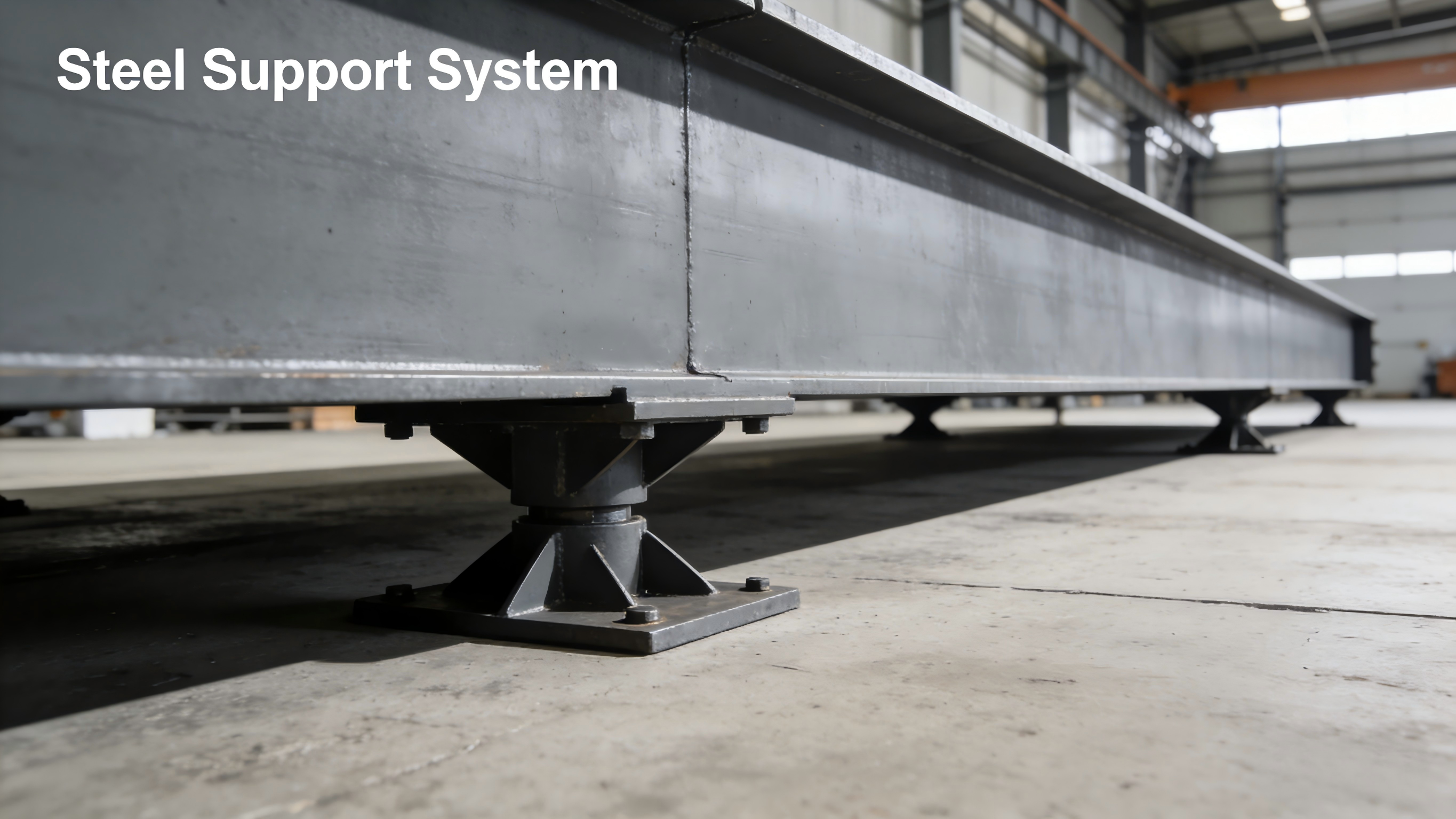
Bracing systems are designed to counteract lateral forces that can cause a structure to sway or collapse. They come in various forms, including cross bracing, K-bracing, and V-bracing, each offering unique advantages depending on the specific requirements of a project. For instance, cross bracing is widely recognized for its efficiency in providing stability without significantly increasing the weight of the structure. This lightweight nature is particularly beneficial in high-rise buildings, where every pound counts. Moreover, the use of advanced materials in modern bracing systems allows for even greater strength-to-weight ratios, further enhancing their effectiveness.
Another key advantage of bracing systems is their ability to simplify construction processes. By incorporating these systems early in the design phase, engineers can streamline the building process, reducing both time and costs. This efficiency is particularly evident in large-scale projects where coordination among various trades is essential. Bracing systems can be prefabricated, allowing for quicker assembly on-site, which not only accelerates the construction timeline but also minimizes labor costs.
Furthermore, the implementation of bracing systems can significantly improve a building’s resilience to natural disasters. In regions susceptible to earthquakes, for instance, properly designed bracing systems can absorb and dissipate seismic energy, thereby protecting the structure and its occupants. This added layer of safety not only meets regulatory requirements but also enhances the building’s marketability, as clients increasingly prioritize safety features in their investment decisions.
In conclusion, the importance of bracing systems in steel construction is multifaceted, encompassing structural integrity, construction efficiency, and disaster resilience. As the industry continues to evolve, the role of these systems will only grow, making them an essential consideration for engineers and architects alike. By investing in high-quality bracing systems, stakeholders can ensure the longevity and safety of their steel structures, ultimately leading to greater satisfaction for end-users and a more sustainable built environment.