
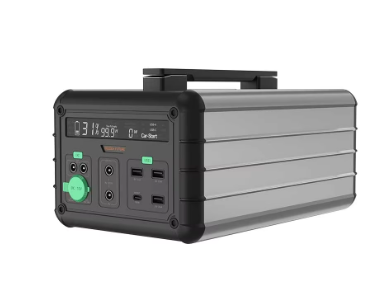
Portable Power Station Smart Charging Habits
Smart charging is the cornerstone of portable power station longevity, and lithium iron phosphate (LiFePO4) models— the gold standard for modern power stations— have specific charging needs to follow. Avoid charging your unit to 100% constantly, especially if it’s not in immediate use; keeping the battery level between 20% and 80% significantly reduces chemical wear and tear. Skip fast charging for daily top-ups, as high-speed charging generates excess heat that degrades battery cells over time. Always use the original charger or a certified replacement that matches your power station’s voltage and current specs— mismatched chargers can cause overvoltage or undercharging, both of which harm battery health. Additionally, never leave the power station plugged in for weeks on end after it’s fully charged; unplug it once it reaches the optimal 80% mark to prevent trickle charging damage. These small habits keep the battery’s internal chemistry stable and lay the groundwork for long-term performance.
Portable Power Station Temperature Management
Temperature is one of the most overlooked yet critical factors for portable power station longevity, as LiFePO4 batteries are sensitive to extreme hot and cold conditions. Avoid storing or using your power station in direct sunlight for hours, in enclosed hot spaces like car trunks in summer, or in freezing outdoor environments below 0°C. High temperatures accelerate battery cell aging and can even trigger safety protections that limit performance, while extreme cold temporarily reduces battery capacity and can cause permanent damage if the unit is used while frozen. If you’re using the power station outdoors in hot weather, place it in a shaded, well-ventilated area; in cold weather, store it in a warm spot and let it reach room temperature before use or charging. Even regular storage should be in a cool, dry place with a consistent temperature between 10°C and 25°C— this simple step preserves battery capacity and prevents premature failure of the internal BMS (Battery Management System).
Portable Power Station Regular Usage & Maintenance
A common mistake that shortens portable power station longevity is leaving the unit unused for long periods with a low battery charge. LiFePO4 batteries thrive on regular, moderate use; if you don’t plan to use the power station for more than a month, charge it to 50-60% first and check the charge level every 3 months to top it up if needed. This prevents deep discharge, which is one of the leading causes of irreversible battery damage. Routine maintenance is also key: wipe the power station’s exterior and port connections with a dry, soft cloth regularly to remove dust, dirt and moisture— build-up in ports can cause poor electrical contact and short circuits. Avoid dropping or bumping the unit, as physical damage can crack battery cells or disrupt the BMS. Also, never overload the power station by connecting devices that exceed its AC/DC output rating; this strains the internal components and shortens battery life. Simple, consistent maintenance and usage keep the entire system running smoothly for years.
Portable Power Station Proper Storage Practices
Proper storage is the final piece of the puzzle for maximizing portable power station longevity, and it goes hand in hand with temperature control and charge level management. First, always disconnect all devices and accessories from the power station before storing it— leaving cables plugged in can cause small, continuous power drain that leads to deep discharge. If storing for an extended period (6 months or more), remove the power station from any damp or dusty areas, and consider using a protective case to shield it from physical damage and environmental elements. For LiFePO4 power stations, avoid storing them in fully discharged or fully charged states; the 50-60% charge sweet spot minimizes internal chemical reactions that break down battery cells. Additionally, don’t store the power station near flammable materials or heavy objects that could crush it. Even if the unit is in storage, power it on for a few minutes every few months to activate the BMS and ensure all internal components are functioning properly. These storage practices protect both the battery and the internal electronics, ensuring your power station is ready to use when you need it.
Conclusion
Extending portable power station longevity doesn’t require complex steps— it’s about consistent, small habits that protect the LiFePO4 battery and internal components. Smart charging between 20-80%, managing temperature to avoid extremes, regular moderate usage with routine maintenance, and proper storage with the right charge level all work together to maximize battery life and performance. Investing in a high-quality LiFePO4 portable power station from a trusted new energy enterprise means you have a durable foundation, and following these tips ensures you get the most out of your investment for years to come. Professional-grade power stations with advanced BMS technology add an extra layer of safety and performance, and when paired with these care tips, they deliver reliable energy storage for home, outdoor and commercial use— no matter where your power needs take you.