
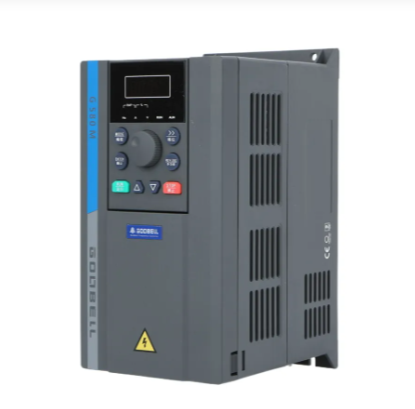
In today’s rapidly evolving industrial landscape, the efficiency and sustainability of water systems are paramount. Variable Frequency Drives (VFDs) have emerged as a crucial technology for optimizing the performance of water systems. By controlling the speed and torque of electric motors, VFDs not only enhance operational efficiency but also contribute to significant energy savings and reduced wear and tear on equipment. This article explores the various advantages of using VFDs in water systems, highlighting their impact on energy consumption, system reliability, and overall operational costs.
One of the primary benefits of implementing VFDs in water systems is the significant improvement in energy efficiency. Traditional systems often operate at a constant speed, leading to unnecessary energy consumption, especially during periods of low demand. VFDs, on the other hand, adjust the motor speed according to the actual requirements of the system. This dynamic adjustment means that pumps and fans only use the energy necessary to meet current demand, resulting in substantial energy savings. Studies have shown that integrating VFDs can reduce energy consumption by up to 50%, making them an environmentally friendly choice for water system management.
Improved System Reliability and Longevity
Another advantage of using VFDs in water systems is the enhancement of system reliability and equipment longevity. By allowing for soft starts and stops, VFDs minimize the mechanical stress on motors and associated components. This gradual acceleration and deceleration reduce the risk of damage to pumps and piping systems, which can occur with direct-on-line starting methods. Additionally, VFDs help to maintain a consistent flow and pressure within the system, further reducing the likelihood of mechanical failure. As a result, water system operators can expect longer lifespans for their equipment and fewer maintenance interventions, leading to lower operational costs.
The initial investment in VFD technology can be offset by the long-term cost savings it provides. Not only do VFDs reduce energy bills, but they also lower maintenance costs by minimizing wear and tear on equipment. Furthermore, the improved efficiency of water systems can lead to reduced operational costs, allowing organizations to allocate resources more effectively. Many facilities have reported payback periods of less than two years on their VFD investments, making them a financially sound choice for water system upgrades.
Enhanced Control and Monitoring
VFDs offer advanced control and monitoring capabilities that enhance the management of water systems. With integrated sensors and feedback mechanisms, operators can monitor system performance in real-time, allowing for quick adjustments to optimize efficiency. This level of control is particularly beneficial in complex water systems where demand can fluctuate significantly. Additionally, many modern VFDs come equipped with connectivity features that enable remote monitoring and control, providing operators with the flexibility to manage systems from anywhere. This technological advancement not only improves operational efficiency but also enhances decision-making processes.
The use of VFDs in water systems also contributes positively to environmental sustainability. By reducing energy consumption, VFDs help lower greenhouse gas emissions associated with electricity generation. This aligns with global efforts to combat climate change and promotes a more sustainable approach to water management. Moreover, the efficient operation of water systems can lead to reduced water wastage, further supporting environmental conservation efforts. As industries increasingly prioritize sustainability, the adoption of VFD technology represents a proactive step towards greener operations.
In summary, the advantages of using VFDs in water systems are manifold. From enhanced energy efficiency and improved system reliability to significant cost savings and environmental benefits, VFDs provide a comprehensive solution for modern water management challenges. As industries continue to seek innovative ways to optimize operations and reduce their environmental impact, the integration of VFD technology will play a pivotal role in shaping the future of water systems. Embracing this technology not only enhances operational performance but also supports a sustainable approach to resource management.