
Core Structural Features of Directional Wheels
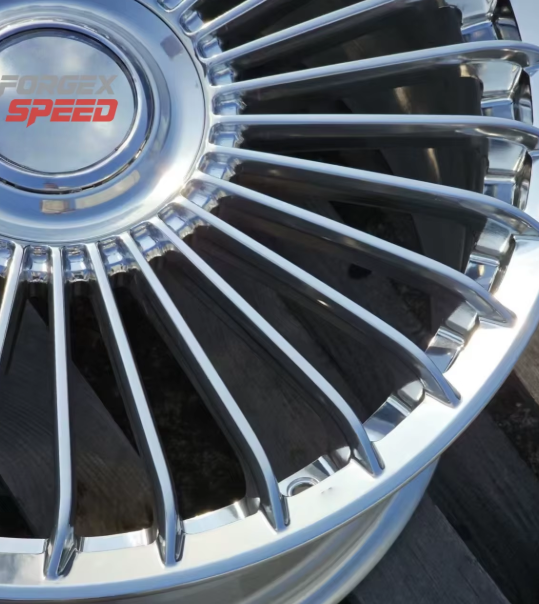
Directional wheels stand out from regular symmetric rims with their distinctive asymmetric spoke layout. Each set of spokes is arranged in a unified flowing direction, crafted to follow natural air movement around moving vehicles. Unlike conventional wheels with balanced, mirrored patterns, this special design is not purely for visual styling. Every curve, angle and extension of the spoke is calculated to interact with surrounding air currents. The streamlined contour reduces unnecessary air turbulence generated around wheel arches while cars move. Most ordinary wheels tend to trap air and create chaotic wind resistance during driving, which wastes power and increases energy consumption. Well-designed directional wheel structures guide passing air smoothly along the rim surface. This fundamental structural difference builds the solid foundation for better aerodynamic effects and practical performance upgrades for all vehicles.
Aerodynamic Benefits Brought by Directional Wheels
Superior aerodynamic performance is the most prominent advantage of premium directional wheels. As vehicles accelerate, airflow hits the wheel assembly directly, generating obvious drag force that affects driving efficiency. The directional spoke formation actively diverts surrounding airflow, lowering overall air resistance significantly. Reduced drag directly lightens the burden on vehicle powertrain, bringing mild improvement in fuel efficiency for fuel cars and extended driving range for electric vehicles. Meanwhile, optimized airflow around wheels also accelerates heat dissipation from brake systems. Constant high-speed braking easily accumulates excessive heat, leading to brake fading and safety risks. Smooth air circulation driven by directional wheel design takes away heat rapidly, maintaining stable braking efficiency in long driving and highway cruising. It combines invisible practical value with dynamic stylish appearance at the same time.
Driving Performance Upgrades from Directional Wheel Design
Beyond aerodynamic advantages, directional wheel designs deliver tangible upgrades to overall driving performance. Lower wind resistance contributes to smoother acceleration and more relaxed high-speed stability. Vehicles equipped with these rims maintain better straight-line stability at fast speeds, with less sway caused by crosswind interference. The optimized force distribution from unique rim structure also improves overall road grip during cornering. Drivers will feel more precise steering feedback and confident control on winding roads. These improvements are noticeable in daily commuting, highway cruising and casual performance driving. Unlike simple cosmetic wheel modifications, functional directional wheels integrate appearance refinement with real driving enhancement. Every design detail serves actual driving experience rather than superficial decoration, meeting demands of enthusiasts who value both visual style and practical performance.
Conclusion
Directional wheels integrate thoughtful structural engineering with practical driving advantages perfectly. Their unique asymmetric spoke design effectively optimizes airflow, cuts down air resistance, strengthens brake heat dissipation and upgrades overall vehicle aerodynamics. In terms of driving experience, they achieve smoother acceleration, better high-speed stability, reliable cornering control and improved powertrain efficiency. Merging eye-catching sporty styling with functional performance gains, directional wheels are ideal rim choices for drivers pursuing both aesthetic modification and daily performance improvement. Choosing well-crafted directional wheels brings long-term practical value for all road conditions and driving scenarios.