
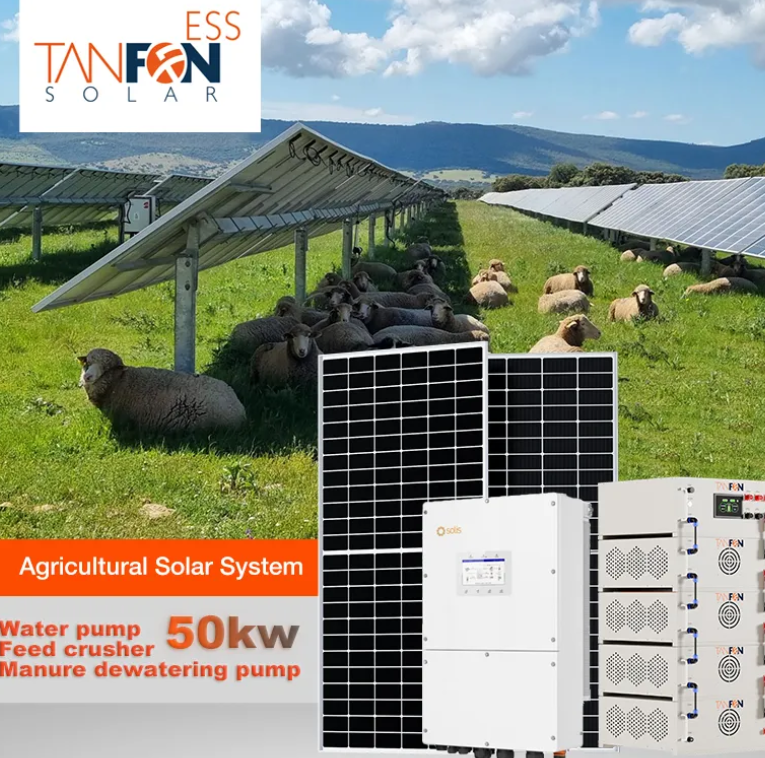
In an era where sustainability is no longer just a trend but a necessity, industrial solar systems emerge as a pivotal solution for businesses aiming to meet their green energy goals. As organizations worldwide strive to reduce their carbon footprint and embrace renewable energy sources, the integration of solar technology into industrial operations is becoming increasingly vital. This article delves into how industrial solar systems not only contribute to environmental sustainability but also enhance operational efficiency and economic viability.
Industrial solar systems are designed to capture sunlight and convert it into usable energy, significantly reducing reliance on fossil fuels. By utilizing solar panels, companies can generate clean energy on-site, thereby decreasing greenhouse gas emissions. This shift towards renewable energy sources aligns with global efforts to combat climate change and promotes a sustainable future. Furthermore, the adoption of industrial solar systems demonstrates a company’s commitment to environmental responsibility, which can enhance brand reputation and customer loyalty.
Cost Savings and Economic Benefits
One of the most compelling advantages of industrial solar systems is their potential for substantial cost savings. By generating their own electricity, companies can significantly lower their energy bills. In many regions, the cost of solar technology has decreased dramatically, making it a financially viable option for businesses of all sizes. Additionally, governments often provide incentives, such as tax credits and grants, to encourage the adoption of renewable energy solutions. These financial benefits not only offset the initial investment in solar systems but also contribute to long-term profitability.
Energy Independence and Security
Industrial solar systems provide businesses with greater energy independence. By producing their own energy, companies are less vulnerable to fluctuations in energy prices and supply disruptions. This energy security is particularly crucial in today’s volatile market, where traditional energy sources can be affected by geopolitical tensions and natural disasters. With solar energy, companies can ensure a reliable power supply, allowing for uninterrupted operations and enhanced productivity.
Innovation and Technological Advancements
The technology behind industrial solar systems continues to evolve, leading to increased efficiency and effectiveness. Innovations such as solar tracking systems, energy storage solutions, and smart grid technology enhance the capabilities of solar installations. These advancements not only improve energy capture but also allow businesses to utilize solar energy more effectively, maximizing their return on investment. By staying at the forefront of solar technology, companies can maintain a competitive edge in their respective industries.
In conclusion, industrial solar systems play a crucial role in supporting green energy goals by providing renewable energy, reducing costs, enhancing energy independence, and leveraging technological advancements. As businesses increasingly recognize the value of sustainability, the integration of solar technology into industrial operations will continue to grow. Investing in industrial solar systems is not just an environmentally responsible choice; it is also a strategic business decision that can lead to significant economic benefits and a more sustainable future.