
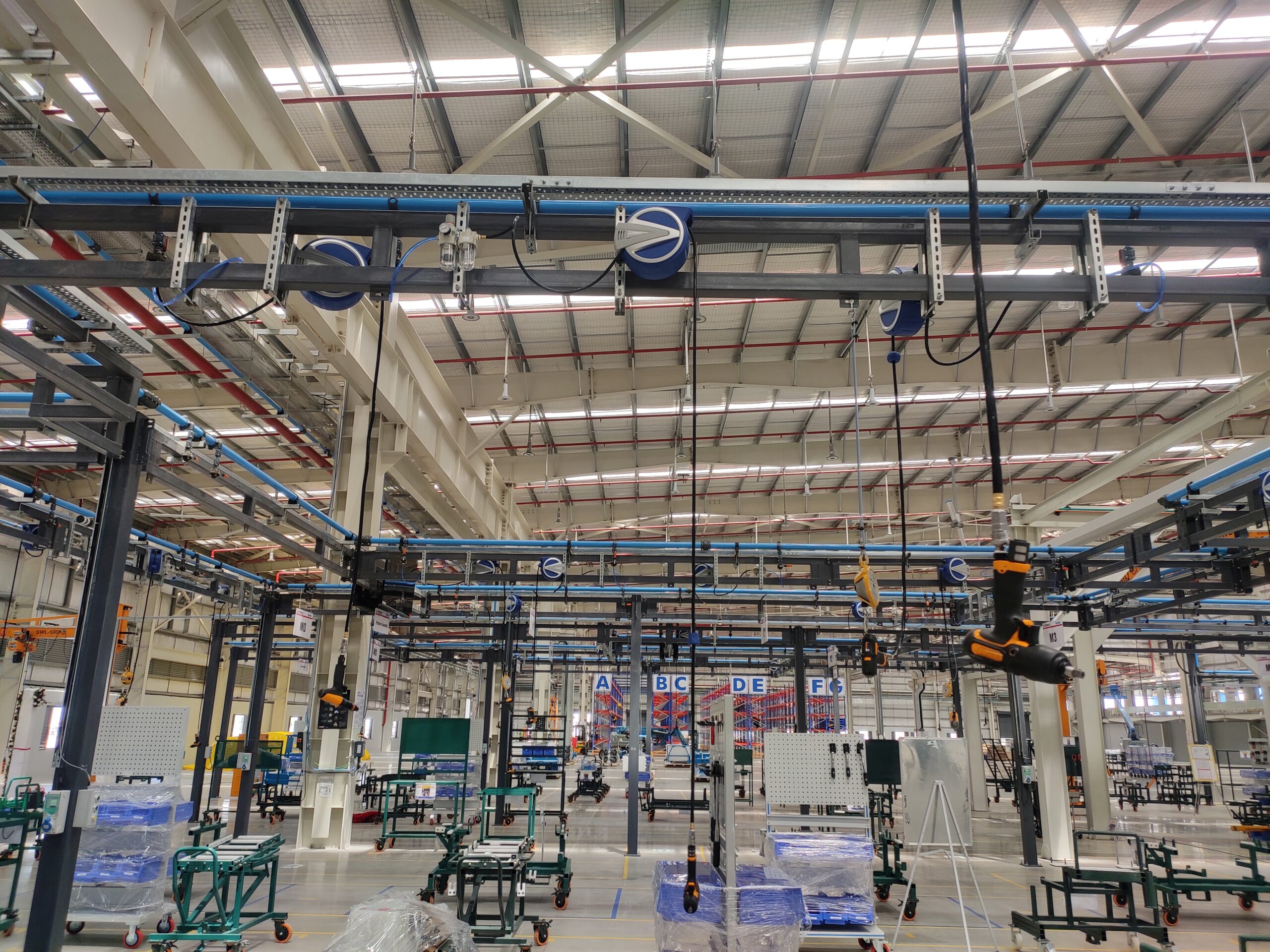
How to Reduce Pressure Drop in Compressed Air Systems and Improve Energy Efficiency
Compressed air systems are essential for modern manufacturing operations, powering everything from pneumatic tools and automation equipment to packaging machines and production lines. However, one common challenge faced by industrial facilities is pressure drop within the compressed air network.
Pressure drop occurs when compressed air loses pressure as it travels through the distribution system. While some pressure loss is unavoidable, excessive pressure drop can increase energy consumption, reduce equipment performance, and lead to higher operating costs.
Understanding the causes of pressure drop and implementing the right solutions can help businesses improve efficiency, lower energy expenses, and extend the life of their compressed air systems.
What Is Pressure Drop?
Pressure drop is the difference between the pressure generated by the compressor and the pressure available at the point of use. When compressed air encounters resistance while flowing through pipes, filters, fittings, valves, or hoses, pressure is lost along the way.
Even a small pressure drop can force compressors to operate at higher pressures, increasing electricity consumption and placing additional stress on system components.
Common Causes of Pressure Drop
1. Undersized Piping
One of the most common causes of pressure drop is using pipes that are too small for the required airflow. When compressed air is forced through narrow pipelines, airflow velocity increases and resistance grows, resulting in greater pressure losses.
Proper pipe sizing is critical to maintaining efficient airflow throughout the network.
2. Corroded or Aging Pipelines
Traditional steel and GI pipes can develop internal corrosion over time. Rust and scale buildup create rough surfaces that restrict airflow and increase friction within the system.
Modern aluminium compressed air piping systems eliminate this issue by providing smooth internal surfaces that remain corrosion-free for years.
3. Air Leaks
Leaks are often called the “hidden cost” of compressed air systems. Small leaks at fittings, connectors, valves, and hoses can significantly reduce system pressure while increasing compressor runtime.
Regular leak detection programs can help identify and eliminate unnecessary air losses.
4. Excessive Bends and Fittings
Every elbow, connector, valve, and junction creates resistance within the compressed air network. Poor piping layouts with excessive turns force air to travel through additional restrictions, increasing pressure drop.
Designing a streamlined distribution network helps maintain consistent pressure levels.
5. Dirty Filters and Air Treatment Equipment
Filters play a vital role in maintaining air quality, but clogged filters can restrict airflow. As contaminants accumulate, pressure losses increase across the filtration system.
Routine inspection and timely replacement of filter elements help maintain optimal airflow.
Effective Ways to Reduce Pressure Drop
Upgrade to Aluminium Piping Systems
Modern aluminium piping systems are specifically designed to improve airflow efficiency. Their smooth internal surfaces reduce friction, while leak-resistant connections help maintain stable pressure throughout the system.
Compared to conventional steel piping, aluminium systems can significantly reduce pressure losses and improve overall energy efficiency.
Conduct Regular Leak Audits
Many facilities lose a substantial amount of compressed air through unnoticed leaks. Using ultrasonic leak detection tools and performing routine inspections can help maintenance teams quickly identify and repair leaks before they impact production.
Optimize Pipe Routing
A well-designed compressed air network should provide the shortest and most direct route from the compressor to the point of use. Reducing unnecessary bends and restrictions minimizes airflow resistance and pressure loss.
Maintain Filters and Dryers
Air treatment equipment should be inspected regularly to ensure it operates efficiently. Dirty filters, saturated dryers, and blocked separators can all contribute to pressure drop.
Preventive maintenance schedules help maintain peak system performance.
Monitor System Pressure
Installing pressure monitoring devices at key points throughout the network provides valuable insights into system performance. Continuous monitoring helps identify developing issues before they result in significant energy losses.
Benefits of Reducing Pressure Drop
Reducing pressure drop offers several advantages:
- Lower electricity consumption
- Improved compressor efficiency
- Consistent machine performance
- Reduced maintenance costs
- Longer equipment lifespan
- Increased production reliability
- Lower carbon emissions
By minimizing pressure losses, facilities can achieve significant energy savings while improving operational productivity.
Why Choose ShiftAir for Efficient Air Distribution?
At ShiftAir, we specialize in advanced aluminium compressed air piping systems designed to maximize airflow efficiency and minimize pressure losses. Our engineered solutions help industries create leak-free, energy-efficient compressed air networks that support long-term operational performance.
From system design and installation to maintenance support, ShiftAir provides complete compressed air distribution solutions tailored to the unique requirements of modern industries.
Conclusion
Pressure drop may seem like a small issue, but its impact on energy consumption and productivity can be substantial. By investing in proper system design, regular maintenance, leak prevention, and high-quality aluminium piping systems, businesses can significantly improve compressed air efficiency and reduce operating costs.
A proactive approach to pressure drop management not only enhances system performance but also delivers long-term savings and operational reliability for industrial facilities.