
Many DIY enthusiasts and small workshop operators face confusing choices when picking electric sewing machine. Some lightweight mini models lack enough stitch types for complex handmade projects, while heavy multi function versions occupy too much space for home placement. Wrong model selection leads to slow sewing speed, frequent thread jamming and failure to process thick fabrics, dragging down daily production efficiency. With decades of manufacturing experience in sewing equipment, the factory summarizes targeted selection standards for home and micro workshop users. This article sorts out all critical evaluation points to avoid unnecessary purchasing losses for individual creators and small batch garment producers.
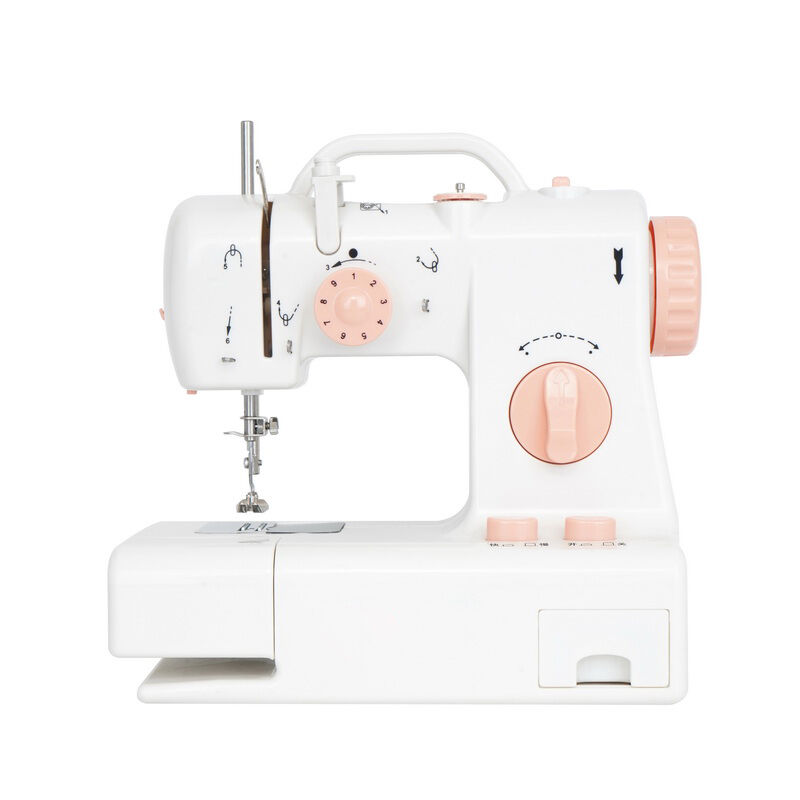
Stitch quantity acts as the core judgment standard for electric sewing machine performance. Entry level mini sewing machine carries 12 to 16 basic stitch patterns, enough for simple clothes mending, doll outfit making and thin fabric DIY decorations. Mid range multi function sewing machine expands stitch types to 39 or 59 modes, supporting buttonhole sewing, zipper installation and decorative pattern stitching for cosplay costumes and handmade craft goods. Small garment workshops dealing with mixed thin and thick fabrics need machines with diversified stitch settings to finish different tailoring processes without switching equipment. Every stitch mode of the supplied electric sewing machine undergoes repeated test to ensure stable stitch formation without skipping or loose thread. Cross border craft suppliers can choose corresponding stitch configurations according to their mainstream product categories to balance machine cost and production capacity.
Unfixed single sewing speed brings obvious operation obstacles for new sewing learners. Qualified electric sewing machine installs dual speed control system including slow and fast gears. Slow speed mode at 250spm suits beginners to practice threading and straight stitching without fabric displacement, while high speed mode reaches 300 to 500spm to accelerate small batch production for workshop operators. The speed switch structure maintains smooth power output without sudden acceleration that causes needle breakage. All portable electric sewing machine reserves independent speed adjustment buttons instead of single pedal control, lowering operation difficulty for non professional users. Craft retailers purchasing bulk machines can provide unified easy operation equipment to reduce customer after sales consultation frequency.
Most family studios and small craft stores have limited indoor placement space, so body volume and weight become vital selection indicators of electric sewing machine. Mini sewing machine adopts compact integrated plastic shell with built in thread winding device, which can be stored in ordinary storage cabinets after daily use. Large multi function electric sewing machine optimizes internal mechanical layout to cut overall weight while retaining complete sewing functions. All models add portable carrying handles for convenient movement between different operation tables. Compared with traditional industrial sewing equipment, household electric sewing machine does not require fixed installation tables, saving extra furniture procurement cost for home users. The factory launches multiple size specifications to meet space demands of small apartment creators and centralized workshop production areas.
Wholesale buyers targeting European and North American markets must confirm complete certification of electric sewing machine before bulk order placement. CE and ROHS certificates prove that internal electronic components contain no harmful substances and meet regional electrical safety rules. Uncertified sewing machine will face customs detention and sales ban after entering overseas markets, causing huge economic losses for distributors. All supplied electric sewing machine passes full set of safety testing procedures before leaving factory, with certification documents attached to each batch of goods. Importers can submit certification copies to local customs smoothly without extra testing procedures. For cross border e commerce sellers, certified sewing machine also avoids platform product listing rejection risks.
Different raw materials including cotton, linen, chiffon and thick denim put forward different requirements for electric sewing machine pressure foot and feeding system. Low grade sewing machine easily generates wrinkling on thin silk fabrics and cannot penetrate thick jeans cloth. Optimized feeding mechanism on the factory’s electric sewing machine adjusts pressure foot strength automatically to adapt thin and thick materials simultaneously. Reinforced needle structure reduces needle break frequency during hard fabric sewing, cutting maintenance downtime for workshop teams. DIY creators making multi material handmade ornaments and small garment factories processing mixed fabric apparel can select matching electric sewing machine models according to main raw material types to promote finished product quality.
Closing Paragraph
Reasonable selection of electric sewing machine relies on comprehensive comparison of stitch function, speed mode, portable layout, safety certification and fabric adaptability. Home DIY lovers and small garment workshop buyers can lock target models based on actual production demands, improving sewing efficiency and avoiding long term equipment replacement expenditure.