
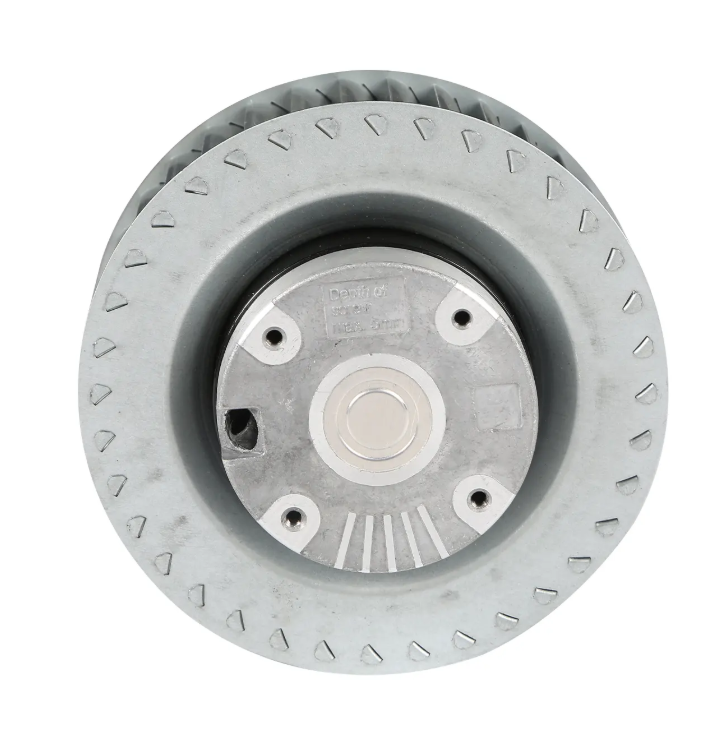
In today’s rapidly evolving technological landscape, the performance of fans has become a focal point of innovation, particularly with the advent of EC (Electronically Commutated) technology. This advanced technology not only enhances the efficiency of fans but also significantly reduces energy consumption, making it an essential consideration for industries aiming to optimize their operations. This article delves into the profound impact of EC technology on fan performance, exploring its benefits and applications across various sectors.
EC fans are designed with integrated electronics that allow for precise control over speed and airflow. Unlike traditional AC fans, which operate at a fixed speed, EC fans utilize a brushless motor that can adjust its speed according to the demand. This adaptability not only improves performance but also contributes to energy savings. By employing EC technology, businesses can achieve optimal airflow while minimizing energy costs, making it a smart investment for any operation.
Enhanced Efficiency and Performance
One of the most significant advantages of EC fans is their efficiency. These fans can operate at a higher efficiency rate compared to conventional fans, often exceeding 90%. This means that more of the energy consumed is converted into useful work, resulting in lower operational costs. Additionally, EC fans maintain consistent performance across varying load conditions, ensuring reliable operation in critical applications such as HVAC systems, industrial processes, and data centers. The ability to adjust airflow dynamically allows for better temperature control and improved indoor air quality, which is crucial for both comfort and health.
Sustainability and Energy Savings
As industries face increasing pressure to reduce their carbon footprint, EC technology offers a viable solution. By significantly lowering energy consumption, EC fans contribute to sustainability goals while providing substantial cost savings. For example, in commercial buildings, the implementation of EC fans can lead to energy savings of up to 50% compared to traditional systems. This not only benefits the environment but also enhances a company’s bottom line, making EC fans an attractive option for businesses committed to sustainable practices.
Versatility Across Applications
The versatility of EC fans makes them suitable for a wide range of applications. From residential ventilation systems to large-scale industrial cooling solutions, EC technology can be adapted to meet various needs. In the automotive industry, for instance, EC fans are used to enhance engine cooling efficiency, while in the food processing sector, they help maintain optimal temperature and humidity levels. This adaptability ensures that businesses can leverage the benefits of EC technology regardless of their specific operational requirements.
In conclusion, the impact of EC technology on fan performance is profound and multifaceted. By integrating advanced electronic controls, EC fans offer enhanced efficiency, significant energy savings, and versatile applications across diverse industries. As businesses continue to prioritize sustainability and operational efficiency, the adoption of EC fans will undoubtedly play a crucial role in shaping the future of energy-efficient solutions. Investing in EC fan technology is not just a step towards improved performance; it is a commitment to a more sustainable and cost-effective future.