
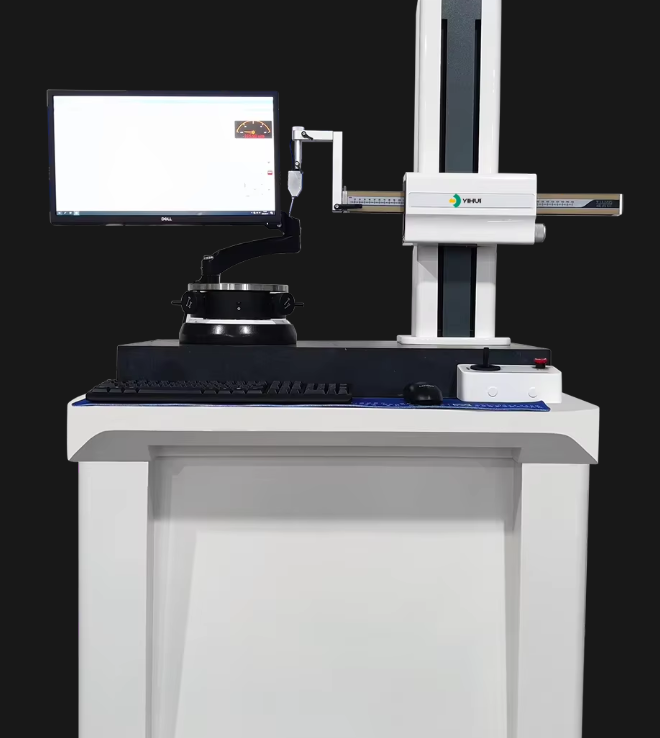
In the realm of precision engineering, the quest for accuracy and reliability is paramount. One of the key instruments that have revolutionized this field is the optical comparator. This sophisticated device allows engineers and quality control professionals to measure and analyze complex geometries with unparalleled precision. By projecting a magnified silhouette of a part onto a screen, optical comparators enable users to compare the actual dimensions against the desired specifications, ensuring that every component meets stringent quality standards.
Enhanced Measurement Capabilities
Optical comparators stand out due to their ability to provide high-resolution images of parts, making it easier to detect minute deviations from specifications. Unlike traditional measurement tools, which may rely on manual readings that can introduce errors, optical comparators utilize optical magnification and advanced imaging technology. This results in a clearer view of the workpiece, allowing for precise measurements of angles, radii, and other critical features. The integration of digital readouts in modern optical comparators further enhances measurement accuracy, providing users with real-time data that can be easily recorded and analyzed.
Versatility Across Industries
The versatility of optical comparators makes them indispensable in various sectors, including aerospace, automotive, and medical device manufacturing. In the aerospace industry, for instance, where precision is non-negotiable, optical comparators are used to inspect components such as turbine blades and fuselage parts. Their ability to measure complex shapes and contours ensures that every piece meets the rigorous safety and performance standards required in aviation. Similarly, in the automotive sector, optical comparators assist in the quality control of engine components and transmission parts, guaranteeing optimal performance and reliability.
Cost-Effectiveness and Efficiency
Investing in optical comparators can lead to significant cost savings for manufacturers. By reducing the likelihood of defects and ensuring that parts are manufactured to exact specifications, businesses can minimize waste and rework. Furthermore, the speed at which optical comparators operate enhances productivity. Engineers can quickly measure and verify components, allowing for faster turnaround times in production processes. This efficiency not only boosts output but also contributes to a more streamlined workflow, ultimately benefiting the bottom line.
User-Friendly Interface
Modern optical comparators are designed with user experience in mind. Many models feature intuitive interfaces that simplify the measurement process, making them accessible even to those who may not have extensive training in metrology. With digital displays and user-friendly controls, operators can easily navigate through measurement settings and obtain results with minimal effort. This ease of use encourages widespread adoption across various manufacturing environments, further solidifying the role of optical comparators in precision engineering.
Conclusion
The impact of optical comparators on precision engineering cannot be overstated. By providing enhanced measurement capabilities, versatility across industries, cost-effectiveness, and user-friendly interfaces, these instruments play a crucial role in ensuring quality and precision in manufacturing processes. As industries continue to demand higher standards of accuracy and efficiency, the reliance on optical comparators will undoubtedly grow, making them an essential tool for engineers and quality control professionals alike.