
Posterior bridge restoration bears the strongest chewing force in oral cavity, so material selection is stricter than other restorations. Many technicians struggle to pick proper zirconia dental materials for posterior bridges. Combining the working features of posterior teeth to select materials can greatly improve the success rate and service life of bridges.
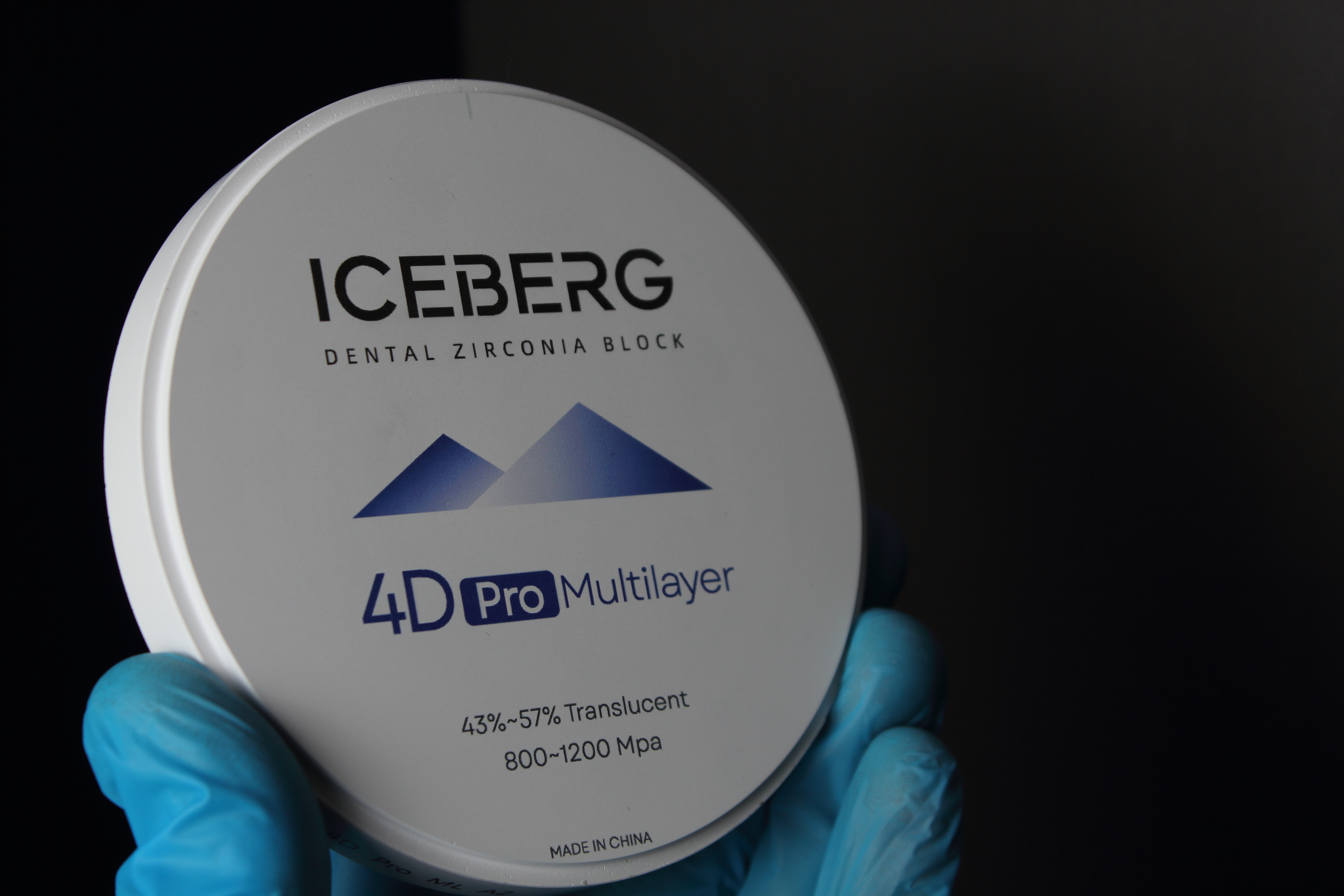
Strength is the first consideration for posterior bridge materials. It is recommended to select zirconia blocks with flexural strength above 700 Mpa. High strength materials can withstand long term heavy bite force of posterior teeth and prevent bridge fracture. For bilateral multi unit posterior bridges, priority should be given to products with higher strength parameters.
Posterior teeth have frequent friction during chewing, so wear resistance cannot be ignored. Excellent zirconia blocks have uniform internal texture and stable surface hardness. They resist daily friction effectively and will not be worn down quickly after long term use. Good wear resistance keeps the occlusal morphology of posterior bridges intact for years.
Posterior teeth have lower aesthetic requirements than anterior teeth, so there is no need to pursue ultra high translucency. Zirconia blocks with medium translucency from 42 percent to 46 percent are the best choice. This type of material has proper shading ability to cover abutment tooth color, while retaining basic natural visual effect.
Posterior bridges usually have complex occlusal surfaces and gap structures. Selected zirconia blocks need good cutting performance to restore fine occlusal textures. Materials that are not easy to chip during milling can ensure the integrity of complex bridge structures and reduce manual repair work after processing.
Precise marginal fit is essential for posterior bridges. Standard zirconia blocks have stable shrinkage rate after sintering, so the edge of finished bridges fits closely with abutment teeth. It avoids food accumulation and protects periodontal health under long term heavy load, which is a hidden demand for posterior restoration materials.