
The Evolution of High Visibility Standards
Safety on the job site is a dynamic field, and the evolution of high visibility standards reflects our growing understanding of workplace risks. Years of management experience have taught me that standard safety equipment is not merely about color, but about the science of conspicuity. Early safety gear often relied on basic bright colors, but as industrial environments have become more complex—with faster machinery and lower light operations—the requirements for high visibility clothing have shifted toward rigorous international benchmarks. Today, professional standards demand precise measurements of luminance and retro-reflectivity to ensure that workers are visible from significant distances, regardless of the lighting conditions.
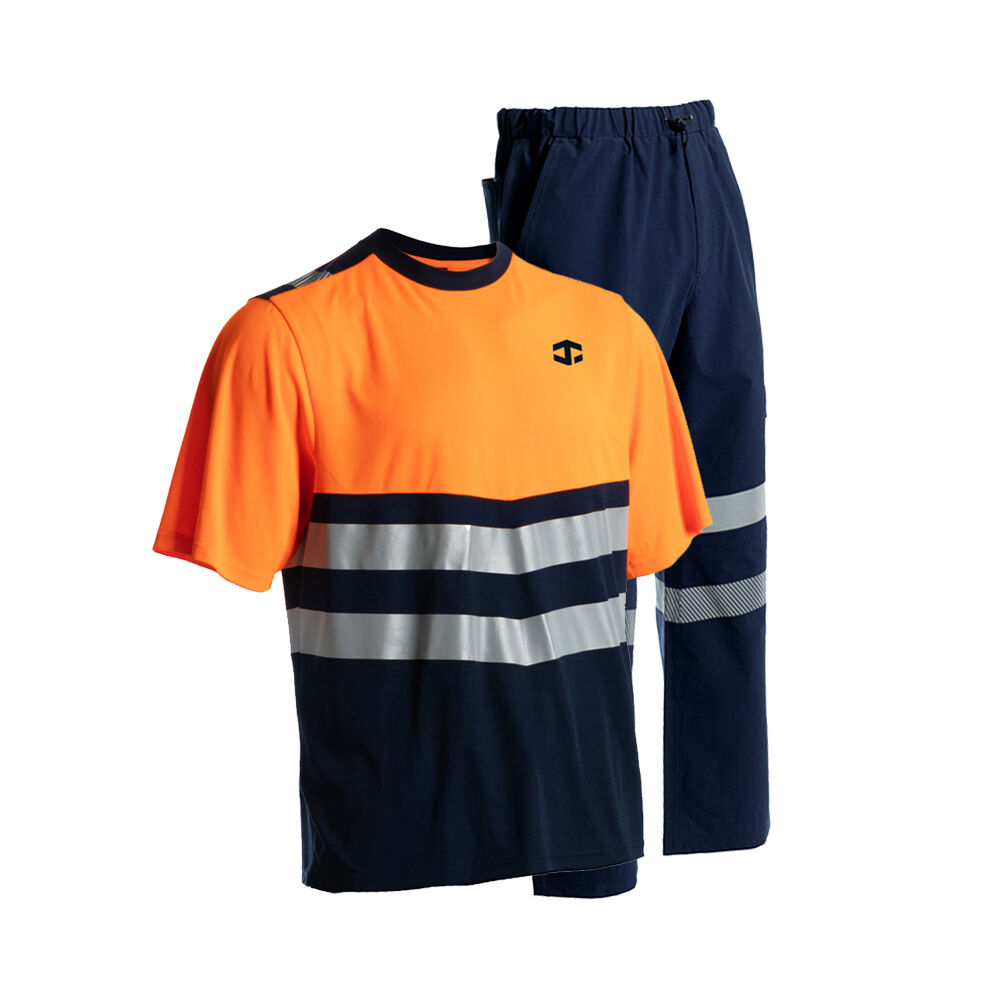
Understanding Fluorescent Orange and Safety Performance
When we discuss high visibility, the choice of color is the first line of defense. Fluorescent orange has become a global standard not by accident, but because of its unique ability to contrast against natural backgrounds, especially in construction and mining sectors. Unlike standard pigments, fluorescent materials absorb invisible ultraviolet light and re-emit it as visible light, effectively “glowing” under daylight conditions. As an operator, I always advise clients that the longevity of this fluorescent quality is a key indicator of quality. High-grade safety vests must maintain these optical properties even after numerous industrial wash cycles, which is why material selection is so critical for long-term compliance.
The Role of Retro-reflective Materials
A high visibility vest is only as effective as its retro-reflective components when the sun goes down. The evolution of these standards has introduced strict requirements for the placement and intensity of reflective tapes. These materials function by reflecting light directly back to the source—such as a vehicle’s headlights—thereby alerting operators to the presence of personnel well before they are in the line of sight. In my work with site managers, I emphasize that the integration of these tapes must be ergonomic. They should not only meet the required square footage of reflective material but also be placed in positions that do not restrict movement or compromise the structural integrity of the garment.
Ensuring Global Compliance
The final piece of the puzzle in the evolution of safety standards is the move toward unified global compliance. Whether your team is operating in high traffic zones or dense industrial facilities, adhering to standardized ratings—such as those defining the amount of background material and reflective trim—is non-negotiable. Using high-quality safety gear is an investment in human capital that pays off by preventing accidents and reducing liability. By staying updated with these evolving technical requirements, companies demonstrate a serious commitment to the well-being of their workforce, ensuring that every piece of equipment serves its purpose as a reliable safety tool.